
Natural Hayfever Relief: Best Remedies & Supplements to Ease Seasonal Allergies
Natural remedies that may help ease hayfever symptoms include quercetin and nettle for histamine balance, vitamin C and echinacea for immune support, and bromelain for inflammation. Nasal sprays, herbal combinations, probiotics and simple diet changes may also help, especially in more stubborn cases.
What is Hayfever?
Hayfever is an inflammatory overreaction that affects 25% of us at some point in our lives and it can make for a very miserable spring and summer. It affects us as we study for our exams. It can spoil a dream holiday.
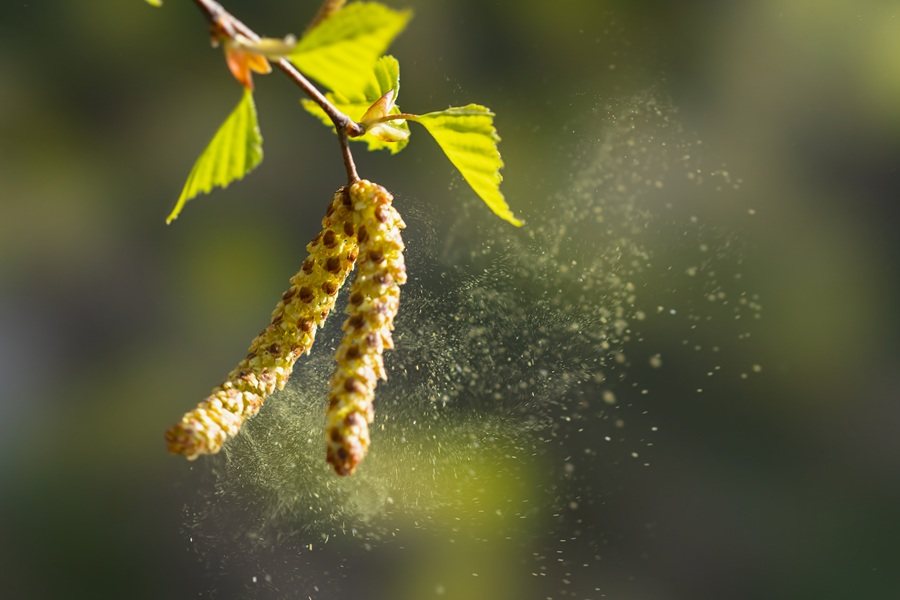
Hayfever is merely the pollen-triggered subset of Allergic Rhinitis. Allergic Rhinitis can also be caused by moulds, animal fur, household chemicals, dust and even some foods. The odds are that if you are triggered by pollen then you will be triggered by something else too throughout the year.
We all know the main symptoms – sneezing and streaming nose and eyes, but it can also cause headaches, fatigue, and skin rashes in the worst cases.
All these reactions are caused by histamine production in your airways. You may not want to hear this, but histamine is only trying to help you! By triggering you to sneeze it is eliminating the triggering substance. By making your nose and eyes stream it is trying to flush it away. Histamine even dilates small blood vessels to allow white blood cells to devour the invader.
But let’s move on from our ‘newfound friend’ to how we can keep it in check.
How can I treat hayfever naturally?
Most of the natural substances that are taken for Allergic Rhinitis involve themselves someway in modulating how our immune cells react and produce histamine, or by exerting an anti-inflammatory action. The most well-known of these is Quercetin.
Quercetin is a natural chemical found in many of the foods we eat. Onions, apples, and black tea are frequently cited as the most potent sources of this natural bioflavonoid. Quercetin inhibits the release histamine and other inflammatory mediators, as well as other inflammatory mediators. It is probably the most potent natural antihistamine on our shelves.
Quercetin is sold in high dose on its own (for example, we stock the high quality Nature's Plus PRO Quercetin 500mg) but there are also synergistic complexes of it (such as Terranova Quercetin Nettle Complex 375g). These contain other natural antihistamines or anti-inflammatories like Vitamin C, Nettle, and Bromelain. Bromelain is a useful protein-digesting enzyme from pineapple that encourages the breakdown of fibrin, a protein the body produces to lock in areas of inflammation.
If you are badly affected, or respond to multiple triggers, we would recommend that you start taking 500-1000mg of Quercetin a few weeks prior to the beginning of the season.
Nettles are often resorted to for Allergic Rhinitis by very sensitive individuals, including pregnant people, who are reluctant to take a medication. It is a mild antihistamine, but you can increase the effect by using a fresh herbal tincture of nettle (such as A.Vogel Stinging Nettle Urtica Drops 50ml) or by drinking a lot of nettle tea during the worst parts of the season. It has the added benefit of supplementing your hydration which benefits the flushing away of histamine and other inflammatory substances. At Hanover Healthfoods you can find loose Cotswold Nettle Leaves 100g, Floradix Organic Nettle Herbal 15 Teabags, and Clipper Organic Nettle 20 Teabags, along with tasty blends such as Hampstead Matcha Green Tea with Nettle teabags.
(TOP TIP: Make up a litre of strong nettle tea in the morning and let it cool. You can add a little apple or lemon juice to make it more interesting and just sip it through the day.)
Vogel Pollinosan (originally Luffa Complex) is a blend of seven tropical herbs which are officially licensed for Hayfever and Allergic Rhinitis. Popular after many decades, they can be used for a variety of different allergies and users have reported that long-term use improves the allergic response to perennial triggers like animal fur. Originally Vogel made a nasal spray based on the seven herbs. In recent years this has been replaced with a natural substance called Ectoin (A.Vogel Pollinosan Nasal Spray 20ml). Ectoin is a natural substance extracted from micro-organisms that used it to protect themselves from harsh environments. It forms a film in your nasal passages which stabilises the tissues, draws in much needed moisture, and also acts as a barrier to stop allergens connecting with your immune system.
Fresh tincture of Echinacea is probably not something that you would think of in your first line of defence against allergies. As a big reactor to allergens, something that got a lot worse after developing a Post Viral Fatigue in the 2010s, I have taken it routinely for its mild anti-inflammatory properties. It helps the linings of the respiratory tract respond after major mucus production and helps to modulate my overactive immune response to both infection and allergens. On our shelves you can find an extensive range of tinctures (A.Vogel Echinaforce 100ml and A.Vogel Echinaforce 50ml, and Botanicals for Life Echinacea and Olive Leaf Extract 50ml for an alcohol free option) as well as tablets (A.Vogel Echinaforce 120 tablets and A.Vogel Echinaforce Forte 40 tablets).
In addition to the natural substances which can be used to deal with Allergic Rhinitis, there are also some ‘non-substance’ alternatives which are worth exploring. Neti Pots are popular in America for irrigating sinuses. It involves pouring sterile saline solution into one nostril and out the other by means of a blue plastic teapot. This flushes through the allergens and removes some mucus overproduction. Whilst many find this useful, it has somewhat failed to catch on over here. An accessible alternative is the Weleda Rhinodoron Nasal Spray which is made of saline and soothing Aloe Vera.
A regular hack by those working outdoors or having extremely high airflow (like runners) is to rub something sticky on the inside of the nostrils. It has mainly been petroleum jelly, but Haymax make a beeswax alternative. (You could possibly even repurpose left over lip balm from the colder months). Effectively pollen and other allergens will stick to it and not trouble your immune system further.
There are a couple of homeopathic alternatives which are always in demand. Helios Hay Fever combination 30c 100 pillules contains three remedies to help symptoms. Helios Mixed Pollen and Grasses 30c 100 pillules help tune the response before the start of the season. Similarly New Era Combination H 240 tablets, based on diluted mineral salts, has been a go-to for decades for many.
We are frequently asked for ‘local honey’ as a remedy for hayfever in particular. The theory is that pre-seasonal exposure to pollens in the honey will prepare your body to deal with the onslaught of airborne pollens. Whilst research evidence to back this up is a little light, we have many customers who swear by this approach. The trick though is to find the right ‘local’ honey. Many ‘monofloral’ honeys may not contain the right pollens to which you normally respond. The exception to this would be rapeseed honey which is a well-known trigger for many living next their yellow fields. I guess if you are going to take this approach the ideal honey would be, for many of us, one from an urban beekeeper, where all of the tree, grass and weed pollens that we breathe would be represented. For people in Edinburgh a honey from Bristol, Glasgow or Pontefract would probably have the right pollens. Black Bee Honey Company make British honey specific to the seasons.
Can diet make hayfever worse?
Histidine (the amino acid that the body makes histamine from), and actual histamine itself, are found in a distressingly wide range of foods. If you are seriously afflicted, then rebuilding your diet to remove some of these food sources is probably for the best.
High Histidine Foods: Meats, Fish, Cashews, Walnuts, Hemps Seeds, Peanuts, Soya Beans, Eggs, Aged Cheeses, Spirulina
High Histamine Foods: Aged, Ripe, and Fermented foods and drinks. Yes, that does mean beer, cider and wine. And yoghurt. Sorry.
Dairy products can also thicken mucus in people who already producing much mucus so dialling back dairy consumption may benefit.
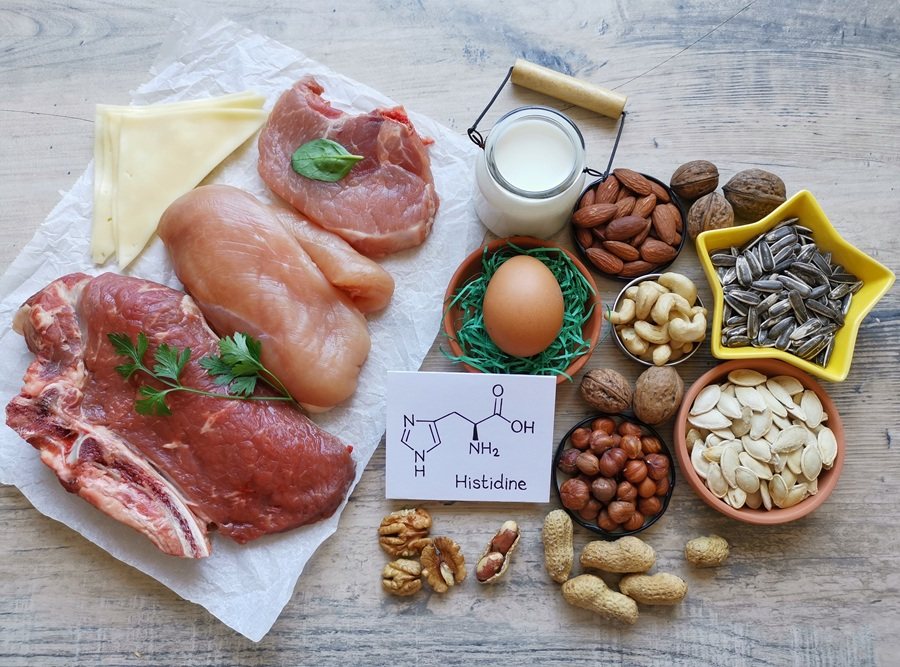
As you can see, a lot of your histamine load may be going on in your digestive tract rather than your sinuses. A lot of therapists use the example of a bathtub with the tap slowly running when they are talking about allergies. When the water gets to the top, which will be at a different level for different people, it will overflow – all the symptoms! Basically, if you aren’t controlling what goes on in (and into) your gut then airborne allergens will wreak havoc.
It may be, therefore, possible to manage your symptoms by both reducing the influx of histidine and histamine by dietary means. Probiotics may play a role here. Different probiotic strains can either increase or decrease histamine production. If allergies are an issue, then it might be safer looking for one of the single strain alternatives that have been implicated in increasing production of DAO (an enzyme which degrades histamine in the gut). The most researched alternatives are: L. Paracasei 431 (contained in good quality probiotics such as Nature's Plus GI Nutra Mega Pro-Bio 30 capsules), L. Rhamnosus GG (Viridian Nutrition Lactobacillus Rhamnosus GG 30 capsules), and the probiotic yeast, Saccharomyces Boulardii (such as Lamberts Saccharomyces Boulardii 300mg 30 capsules and Optibac Probiotics available in 80 capsules or 16 capsules).
The mineral clinoptilite, often just called zeolite in products (Such as KIKI Health Zeolite 60g powder), has an affinity to irreversibly ‘adsorb’ histamine in the digestive tract so it can be safely excreted. Regrettably in 2024 clinoptilite was reclassified by the government ‘for external use only’ due to low levels of lead being naturally present. Whether or this represents a real risk to health as zeolites will hang onto lead for dear life remains to be seen. However, before 2024 many customers were successfully using clinoptilite as an alternative to help ‘pull the plug out of the bathtub’.
When to seek medical advice
Most hayfever and allergy symptoms can be managed, but it is worth speaking to a GP if symptoms are worsening, disturbing your sleep, affecting everyday life, or not improving with pharmacy treatment. If you have asthma that is getting worse, seek advice promptly. Call 999 if you develop swelling of the lips, mouth or throat, breathing difficulty, or signs of a severe allergic reaction.
FAQs
- What causes hayfever symptoms?
Hayfever is triggered when the immune system overreacts to pollen. It is a subset of allergic Rhinitis, which can also be caused by moulds, animal fur, household chemicals, dust mites, or even food. This response releases histamine, which leads to sneezing, itchy eyes, congestion, fatigue, and skin rashes in the worst cases.
- What are the best supplements to reduce hayfever symptoms?
The best natural remedies for hayfever include quercetin, stinging nettle, vitamin C, bromelain, echinacea, and herbal complexes that contain Luffa. Additional relief might come from saline nasal rinses and nasal sprays, homeopathic remedies, and local honey, all of which may help reduce histamine levels and ease allergy symptoms.
- Does quercetin help hayfever?
Yes, quercetin either on its own or in a synergistic complex, is a potent natural chemical that inhibits the release of histamine. If you are badly affected, we would recommend that you start taking 500-1000mg of quercetin a few weeks prior to the beginning of the season.
- Can diet make hayfever worse?
Yes—your diet can significantly impact hayfever symptoms. Certain foods are high in histidine (the amino acid used to produce histamine) or contain histamine itself, which can contribute to a histamine overload and trigger stronger allergic reactions over time. Common culprits include meat, fish, eggs, nuts (such as cashews and peanuts), soya beans, hemp seeds, and aged, ripe, or fermented foods. Dairy products may also worsen symptoms by increasing mucus production. Reducing these high-histamine foods, alongside targeted probiotics, can help support gut health, balance histamine levels, and naturally reduce hayfever symptoms.
Authored by John with help from the team.